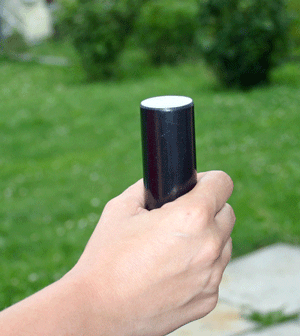
Shungite is a natural mineral from Karelia that has been used for various purposes for centuries. It is especially well known for its traditional use in water purification. Today, shungite is also used for interior design, as a companion in everyday life, as well as in personal relaxation and meditation rituals. Those who wish to buy high-quality shungite or rare elite shungite will find a wide variety of forms for different applications.
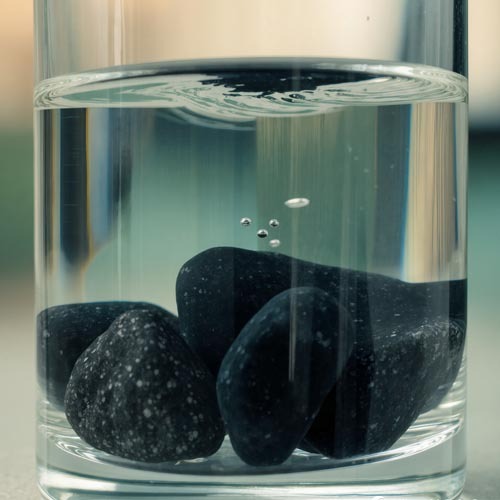
Water purification is one of the best-known traditional uses of shungite. The stones are placed in direct or indirect contact with water to produce so-called shungite water. Many users report a perceived change in the taste of the water. Such subjective experiences are often associated with the so-called shungite effect.
Living and working spaces
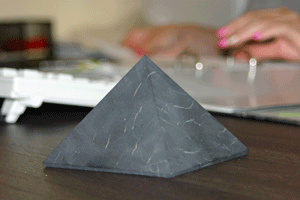
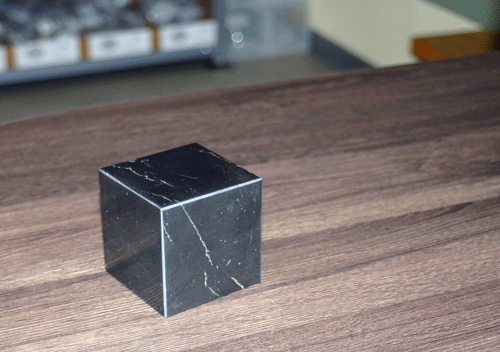
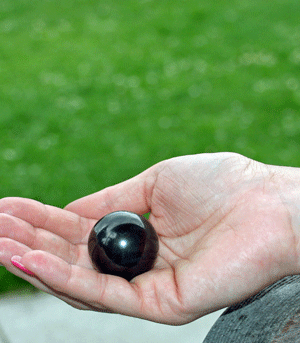
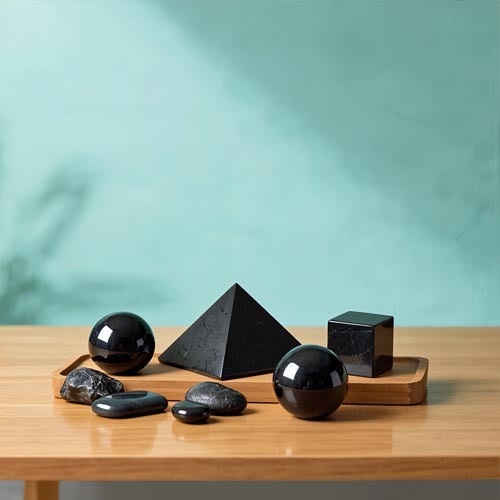
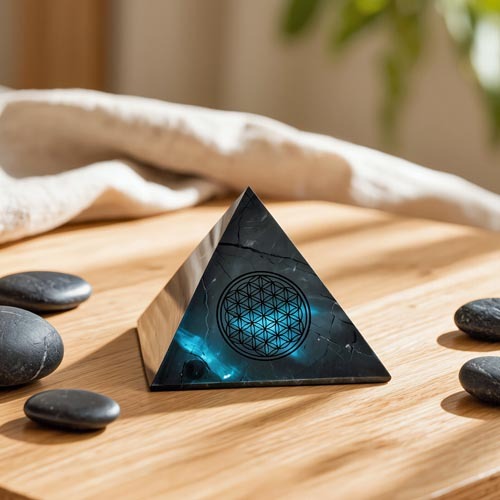
Shungite pyramids, spheres, cubes, plates, and raw stones are often used as special decorative elements in living rooms, bedrooms, and workplaces. Many people appreciate the natural appearance of this mineral.
Smartphones, Wi-Fi and electronic devices
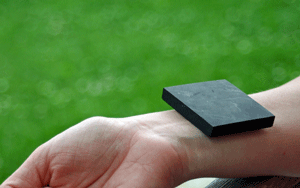
Shungite plates and tiles are often placed near smartphones, routers, computers, and other electronic devices. This form of shungite use is particularly popular among people who wish to consciously integrate natural minerals into modern everyday life.
Personal companion on the go
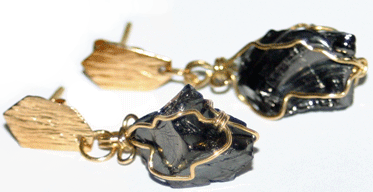
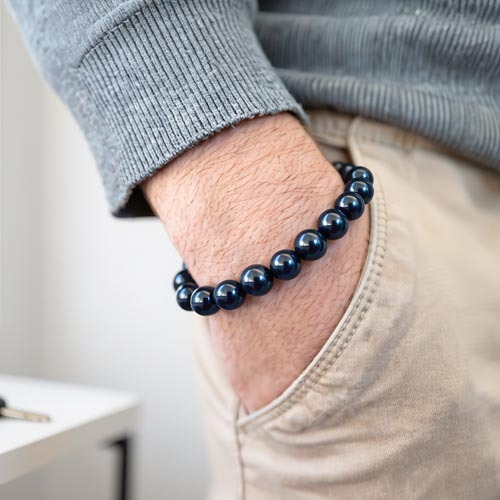
Whether worn as a pendant, bracelet, or necklace, or carried as a raw elite shungite stone in a pocket – shungite is valued by many people as a natural accessory and personal companion.
Shungite in the car
Shungite plates, cubes, or raw stones are often kept in vehicles, for example in the glove compartment or center console. Many users perceive this form of application as a pleasant addition to their daily driving experience.
Meditation and inner balance
Raw stones, spheres, and elite shungite are often integrated into personal meditation and relaxation rituals. Many people use them as companions for moments of calm and focus.
Should you use shungite or elite shungite?
Both classic shungite and elite shungite have their own advantages and limitations. The best choice depends mainly on the intended application. Neither type is generally “better or worse” – it depends on the purpose of use.
Classic Category 2 shungite
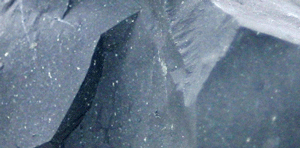
Classic Category 2 shungite is the highest quality grade of standard shungite. It has a matte surface and is easy to work with, making it suitable for pyramids, spheres, cubes, plates, jewelry, and beads. This versatility makes it especially popular for interior design and water-related applications.
A major advantage of classic shungite is its stability and relatively high durability, which makes it ideal for precisely shaped decorative objects.
Elite shungite
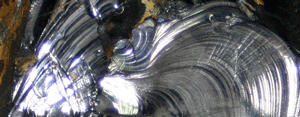
Elite shungite is characterized by its silvery shiny surface, very high carbon content, and rarity. Many people perceive it as particularly intense.
Due to its brittle and fragile structure, elite shungite is not well suited for producing shaped objects such as pyramids or spheres. Therefore, it is mostly offered as a natural raw stone. It is especially valued for water purification and as a personal companion on the go.
Shungite and personal experiences
Many people associate shungite with positive personal experiences. Perceptions such as changes in water quality, a pleasant room atmosphere, or increased well-being are based on individual impressions and subjective experience.
Conclusion
Both types of shungite have their own specific strengths and limitations. Classic Category 2 shungite stands out due to its stability and excellent workability. It is ideal for pyramids, spheres, jewelry, and other shaped products. Elite shungite is significantly rarer and often perceived as more intense. Due to its fragility, it is especially suitable for water purification and as a natural raw stone. Whether you choose classic shungite or elite shungite depends entirely on your personal preferences and intended use.
Vielen Dank für Ihr Interesse am unserem Newsletter!
Schauen Sie in Ihre Mailbox. Um die Anmeldung abzuschließen, müssen Sie die Bestätigungsmail beantworten oder dem darin enthaltenen Weblink folgen.