Anyone who has spent more time working with shungite knows that this fascinating natural stone from Karelia keeps offering new surprises. Many people who are interested in shungite or want to buy shungite are initially impressed by its deep black color, its special structure, and its geological history. Yet even experienced collectors occasionally encounter finds that go far beyond the ordinary.
Exactly such a moment occurred during a stay of Sven Strecker in Karelia.
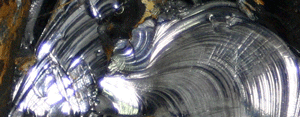
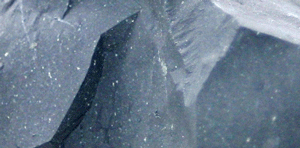
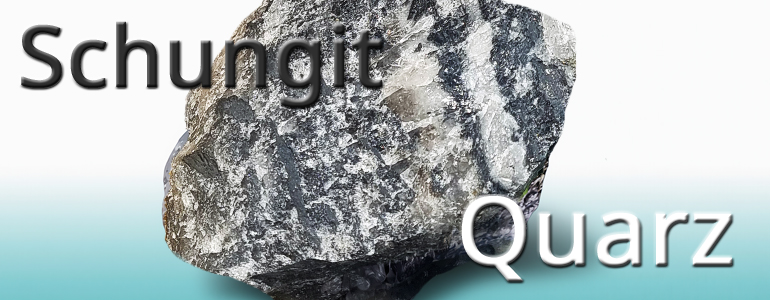
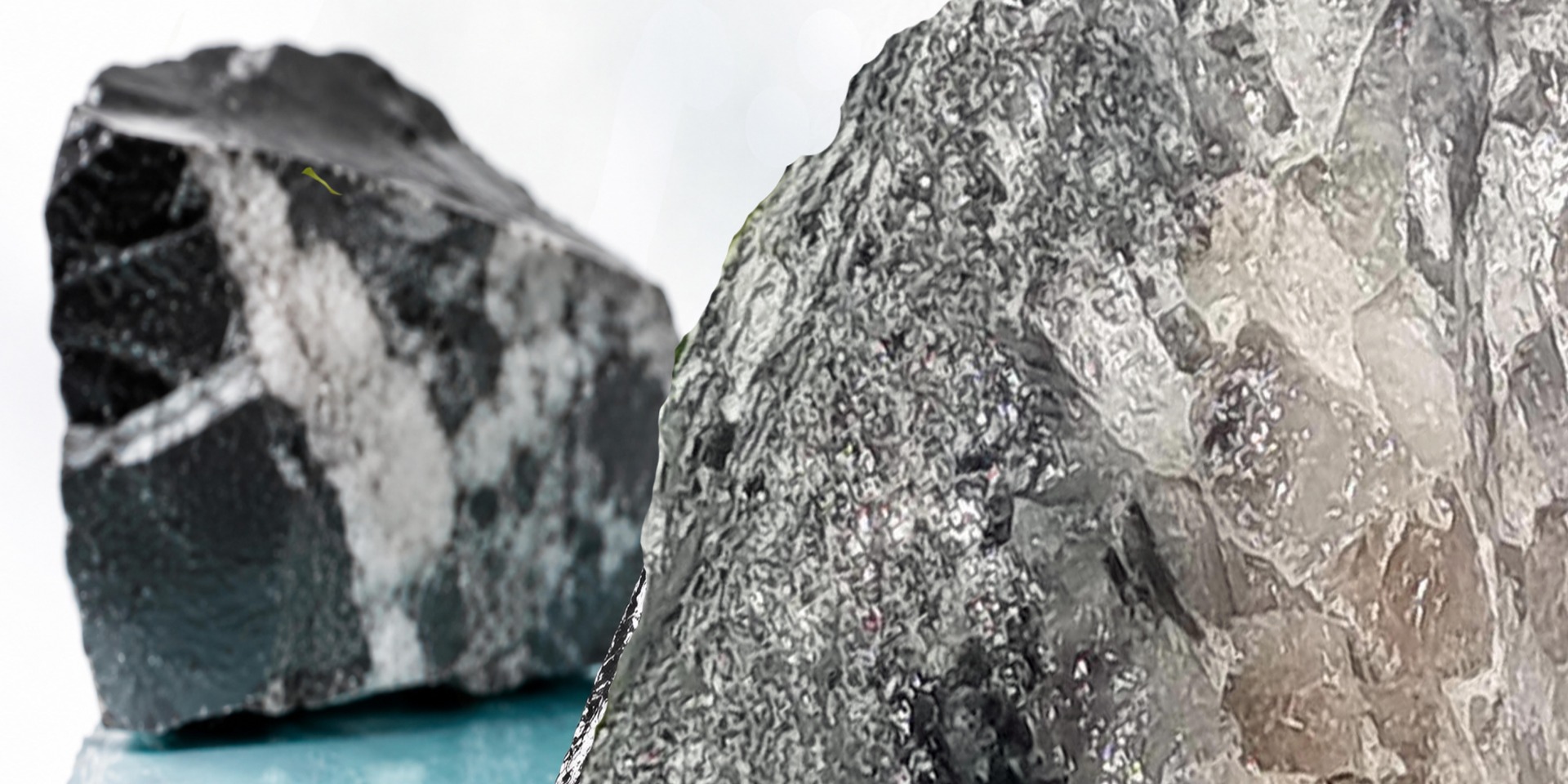
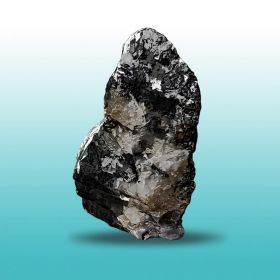
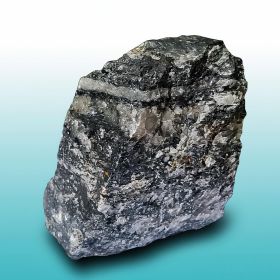
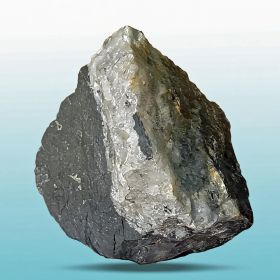
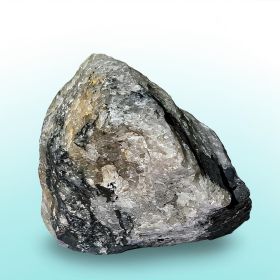
During a visit to the shungite mining area, he noticed a spot among numerous rock formations that clearly differed from its surroundings. What initially looked like a normal area within the deposit revealed, upon closer inspection, an extraordinary feature: black shungite and white quartz zones ran directly alongside each other and were extensively intergrown.
It was not a planned discovery or a targeted search. The finding happened completely by chance. For this very reason, this moment remains particularly memorable. The strong contrasts between the deep black shungite and the bright quartz structures created an impressive visual appearance that immediately caught the eye.
Many visitors would likely walk past such a spot without recognizing its uniqueness. This is not unusual. Shungite mining produces large amounts of fine black dust that settles on surrounding rock surfaces. As a result, light-colored areas are often covered and only become visible upon closer inspection.
Quartz or Quartzite?
We are often asked whether the white portions are quartz or quartzite.
From a geological perspective, this is strictly speaking often quartzitic material. Quartzite is a metamorphic rock composed mainly of quartz and formed over very long periods under high pressure and high temperatures.
For simplicity, however, we usually refer to it as “quartz” on our website, as this term is familiar to most people and describes the visual appearance very well.
What matters less is the exact geological classification than the extraordinary formation history. Over billions of years, the black shungite areas and the light quartz areas were connected through natural geological processes. Heat, pressure, and time formed unique structures that today appear like natural works of art.
It was not a planned discovery or a targeted search. The finding happened completely by chance. For this very reason, this moment remains particularly memorable. The strong contrasts between the deep black shungite and the bright quartz structures created an impressive visual appearance that immediately caught the eye.
Many visitors would likely walk past such a spot without recognizing its uniqueness. This is not unusual. Shungite mining produces large amounts of fine black dust that settles on surrounding rock surfaces. As a result, light-colored areas are often covered and only become visible upon closer inspection.
A Special Feature of Nature
Every genuine shungite stone has its own structure and its own history. However, the pieces described here go one step further.
While classic shungite already stands out due to its origin and characteristic properties, the combination of black shungite and white quartz creates an extraordinary appearance. The strong contrasts sometimes resemble landscapes, ice formations, or abstract works of art.
Some specimens show fine white lines running like veins through the shungite. Others contain larger areas where both materials are tightly intergrown. No two pieces are alike.
This uniqueness is exactly what makes these rare finds so fascinating.
Shungite and Electrical Conductivity
An interesting property of shungite is its electrical conductivity.
In the embedded shungite video above, it can clearly be seen that shungite conducts electricity. This is a known physical property of the material and can be verified with simple measurement methods.
It also becomes clearly visible that the white quartz areas do not conduct electricity. This creates a direct visual comparison between both materials.
Exclusive Shungite Stones
Due to their rarity, we have included these special specimens in our “Exclusive Shungite Stones” category.
These are strictly unique pieces. Each stone has its own pattern and structure.
It is not possible to predict how long these stones will remain available. Once individual pieces are sold, they cannot be replaced.
Whether comparable specimens will ever be found again cannot be stated with certainty.
The mining area in Karelia covers large regions. Even if the original discovery site is known, this does not automatically mean that further comparable pieces exist there.
In addition, light quartz areas are often covered by shungite dust and are therefore not immediately visible.
Why This Topic Continues to Fascinate Us
We have been working intensively with shungite for many years. Nevertheless, there are always moments that surprise even experienced experts.
These rare shungite-quartz stones are undoubtedly among them.
Even classic shungite is a remarkable natural stone with an extraordinary geological history. However, when light quartz structures have also intergrown with shungite over billions of years, specimens emerge that represent a true rarity even within already scarce shungite deposits.
Anyone looking for genuine shungite stones and interested in rare specimens from Karelia will hardly overlook these exceptional finds. They combine geological history, natural beauty, and rarity in a way that is rarely seen.