1. Shungite vitality based on the Bovis value

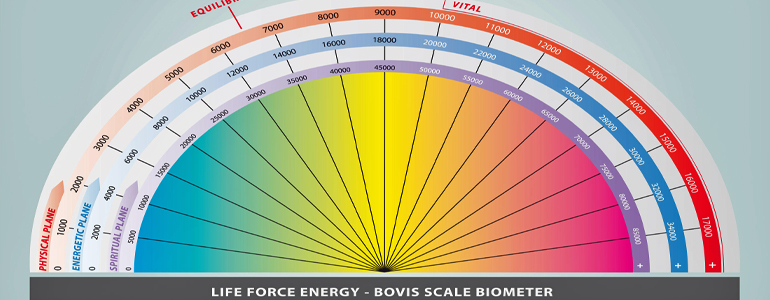
    When an object has an effect on the environment, one often tries to express it in numbers to better visualize the effect and compare it to the effect of other objects.  However, in the case of shungite, it is difficult to capture the effect with measuring instruments and represent it in numbers. 

    A "Bovis scale" or "frequency scale" can be used to represent the level of vital energy (Qi). 

    Read more
  2. Scratches, cracks and stains on the shungite surface.

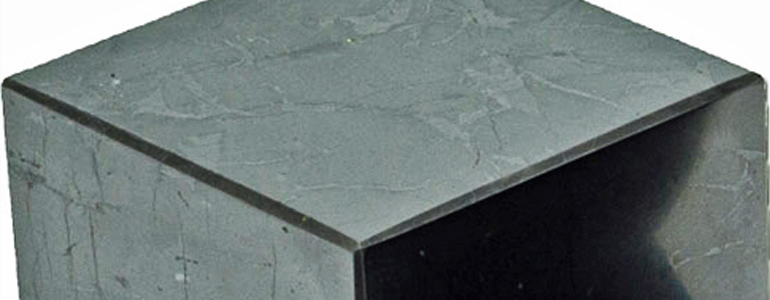
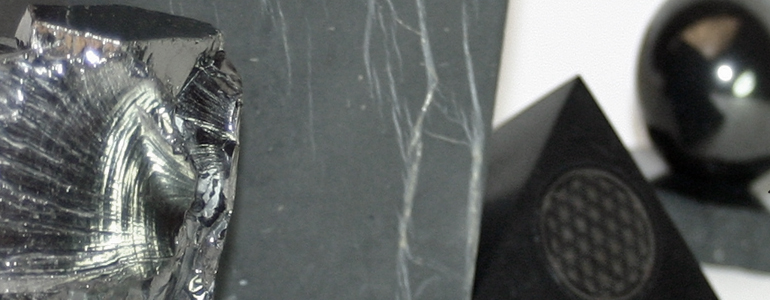
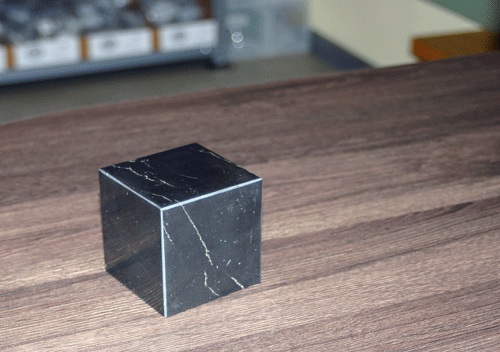
    Shungite is a mixture of many different minerals that hardened into rock more than two billion years ago.  It is clearly seen on the classical (normal) schungite surface.  When the surface is polished, it looks like it has scratches, stains, or even fingerprints on it.  It is mostly pyrite (light gray) and quartzite (golden), but other elements are also irregularly distributed in the stone.

    Read more
  3. How many levels of shungite quality are there?

    From an early age, we are used to the fact that many things in our lives have a certain structure.  We go to school in a certain grade, and our performance is graded.  We also later develop many different groups, areas, and gradations that are necessary in our lives to maintain a certain order and overview.

    Read more
  4. Can a broken shungite be glued back together?

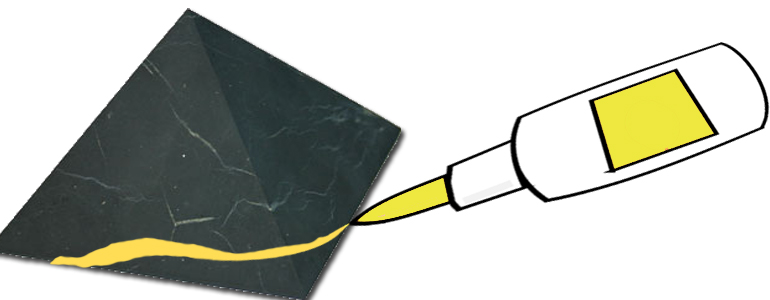
    Shungite is very fragile and even small knocks can break it.  Sometimes all it takes is for your shungite pendant to fall onto a tiled bathroom floor for it to break into several pieces. 

    Read more
  5. Presence of fullerenes in shungite

    How many fullerenes are present in a glass of water exposed to shungite? I have been asked these and similar questions by many people who have used shungite. My answer is this: I do not know.
    Read more
  6. Should shungite be cleansed or not?

    Do I need to cleanse and charge shungite, as it is recommended for many healing stones?

    How shall I cleanse shungite properly?

    Read more
Page